Builders
 Carpenters
 Electricians
 Flooring Specialists
 Gardeners
 Handymen
 Heating Engineers
 Painters & Decorators
 Plasterers & Renderers
 Plumbers
 Roofers
 Tilers
 my
myDurgo Valve Installation Cost
At a Glance
- The average cost to install a durgo valve is around £150.
- Most jobs take 1 day to complete.
- Durgo valve installation costs in 2026.
- How long the job takes and what's typically involved.
- How to find a local durgo valve installer using MyJobQuote.
Get free estimates
Are you a trade? Get more work today!
£150
Table of Contents
How Much Does It Cost To Install A Durgo Valve?
How much does a durgo valve cost?
On average, the cost of installing a durgo valve is around £150.
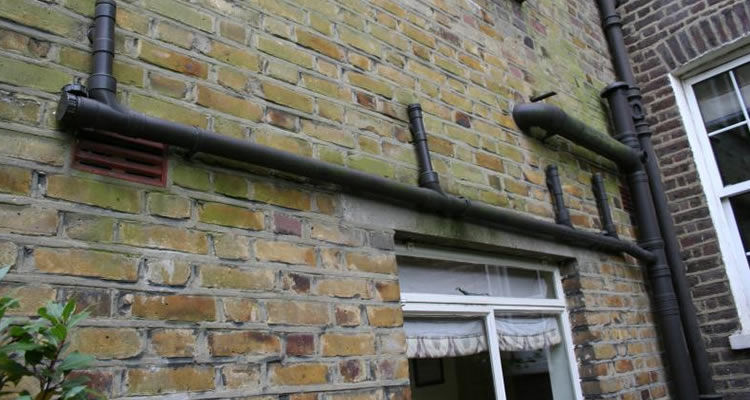
Before the introduction of durgo valves, most air ventilation was done through a soil stack, which left the house through the roof. They had to be a certain distance above rooms and windows, making the cost of a roof vent often higher because it involved roof work and a lot of labour.
These types of installations can often be unsightly and lead to roof damage, such as leaks. So, you may want to consider having a durgo valve fitted if you do not already have one.
They simply fit onto the existing soil stack, but instead of needing to be ventilated out the roof, you can keep it inside as it does not allow bad gases or smells to escape.
What is your main reason for installing a durgo valve?
Preventing damage to my heating system
0 votes - 0%0% of votes
Improve the energy-efficiency of my system
1 votes - 100%100% of votes
Reduce noise from radiators and/or pipework
0 votes - 0%0% of votes
Replacing/upgrading an existing valve
0 votes - 0%0% of votes

1 votes
See results
Hide results
How does a durgo valve work?
Durgo valves, sometimes referred to as air admittance valves (AAV), are used in households and buildings as a form of ventilation. It allows for the ventilation of waste gases and air, such as from waste pipes.
When a toilet is flushed or wastewater is being drained, it creates negative pressure. The durgo valve allows the air pressure to balance out, whilst allowing for effective ventilation, which simultaneously allows air to reenter the pipes after the wastewater has flowed through.
Ventilation must be present in rooms with waste and soil drainage, such as in bathrooms and kitchens. Durgos allow the circulation of air around drainage systems, which essentially allows trap seals to work properly.
I'd like to move the bathroom toilet to create more space, but that would mean running the soil pipe along the wall for a few metres. Will this be a problem?
"Not at all, as long as sufficient flow and air admittance is available."
Durgo Valve Installation Prices
| Job Description | Duration | Material Cost | Labour Cost |
|---|---|---|---|
| Hiring a plumber to fit a durgo valve and modify soil pipe | 1 Day | £50 | £100 |
| Remove soil pipe from roof | 1 Day | £20 | £65 |
Want a custom price?
Post your job
Factors Affecting Durgo Valve Installation Costs
Installing a durgo valve is usually a fairly straightforward task for a plumbing professional, but there are a number of factors that can make the job more challenging and result in a higher cost.
- Access — Pipework that's difficult to access and work on will usually increase the cost of labour and the overall price for the job.
- Number of Valves — Your property may need more than one valve fitting, increasing the cost of materials and labour.
- Current Drainage Layout — If you currently have a complicated drainage system layout, this can increase installation time and costs.
- Existing Pipework Condition — If your current pipework is old or damaged, this can make it harder and more expensive to install the valve safely.
- Valve Type & Size — If you require a larger or specialist durgo valve installed, these will usually be more expensive than standard models.
Additional Durgo Valve Installation Costs
Your plumbing specialist may quote you for the cost of installing a durgo valve, but depending on what's required to complete the job there may be some additional costs you might need to budget for:
Soil Pipe Modifications
In order to create a suitable location for the durgo valve, it can be quite common for your plumber to have to cut, extend, or re-route your current soil pipe.
The costs for this will be dependent on what's required, but expect to pay an additional £100 to £250 for typical, minor soil pipe modifications, but between £500 and £1,000+ for major alterations.
Soil Stack Removal / Capping
If the durgo valve installation is to replace a traditional vented stack, you may need to have the existing stack shortened, removed, or capped.
This work can involve a plumber and a roofer, and the costs will depend on the pipework that needs removing, with capping costing between £75 and £200 and removal costing between £200 and £500.
Access Panels & Boxing In
Depending on the pipework required to install your durgo valve, and its location, you may need to have the new pipework boxed in or an access panel added so the valve is accessible.
For basic boxing-in you could expect to pay around £100 to £250, but if you want a more bespoke, premium finish then this could rise to between £250 and £600.
Things to Consider When Installing a Durgo Valve
- Where will the durgo valve be installed? Often enough, the air admittance valve is installed in the loft space of the property.
- Can you meet the required height? Durgo valves must be higher than the highest point of water flow, such as a sink basin, toilet or bath, usually around 200mm higher.
- Will the durgo valve be accessible? Avoid sealing your durgo valve permanently without an access panel. It should be installed in a position where it can be accessed easily for any inspections, cleaning, or replacements.
- How many appliances will the durgo valve serve? Before you have a durgo valve installed, you should check how many appliances will be connected to the same pipework. The valve needs to suit the size of the system and the number of connected appliances.
- Are there any regulations you need to know about? There are some regulations you may need to look at. They cover the fact that you may need to have a separate ventilation pipe in your home as well as the durgo valve, this is so no back-pressure can build up and cause any damages. If you are unsure, always seek advice from your local building authority.
Do I Need a Durgo Valve?
Still wondering if you need a durgo fitted in your home?
Here are some quick facts:
- Durgo valves are used for drainage ventilation in modern households and buildings.
- An air admittance valve eliminates the need for roof penetration for your soil stack.
- To remove the soil stack from the roof, ask the advice of a qualified roof specialist.
- You may need the assistance of a qualified plumber to help with any pipework.
- Durgo valves are relatively cheap - buy the materials yourself to save on costs when hiring a specialist.
Checklist: Hiring a Durgo Valve Specialist in the UK
Get free, no obligation quotes from durgo valve installers near you. MyJobQuote is fast, easy, and connects you with professionals in your area.
When the time comes to hire a durgo valve installer, here's what you should keep in mind:
- Are they experienced? Find a local, licensed contractor with familiarity in fitting durgo valves and air admittance valves.
- Are you getting the best price? Gather at least 3 quotes to compare your durgo installation costs to ensure you're getting a fair price.
- Will they break down all the costs? Make sure your quote is itemised so there are no hidden costs or surprises when you settle up.
- Do they have positive reviews? Take a look at the traders on MyJobQuote to see how other customers rate their work.
- Do they have examples of their previous work? Be sure to ask for photos or videos of their previous work to get an idea of the quality you can expect.
- What guarantees do they offer? Remember to ask about any warranties or guarantees the plumber has for their work.
- Will they provide maintenance advice? Ask about the upkeep of durgo valves and what you'll need to do to maintain them after fitting.
- Do they have insurance? Anyone working in your home should have public liability insurance so you're covered in case the worst should happen.
Ask a Trade
Got a question that only a tradesperson can answer? We have thousands of trades ready to answer any question you may have.
Ask your question

FAQs
What Is a Durgo Valve?
A durgo valve is used to help ventilate the drainage systems in homes and other buildings. When flushing the toilet or pouring water down the sink creates negative pressure in the drainage system, meaning it needs more air coming in to cancel that out. A durgo valve helps bring that air in to prevent the release of bad gases in the home.
Can I Fit a Durgo Valve Myself?
If you have the suitable skills and tools available, then fitting a durgo valve shouldn't be too hard of a job. The materials are cheap enough to purchase. However, the more challenging work can involve removing, adding, or re-routing the necessary pipework, which may be best left to a plumber. If any roofwork is required to remove the old stack, this is also something that would be best left to a professional.
What’s the Difference Between a Durgo Valve and an Air Admittance Valve?
There is no difference at all. The correct term is an air admittance valve, however, durgo valve is a term commonly used in the UK. So, if you see one or the other, just know that they are the same thing.
Where Should I Place a Durgo Valve?
Durgo valves should always be situated at least 200mm higher than the highest point of any water flow, for example, a sink basin. This is so the valve itself does not run the risk of being flooded. Most durgo valves are fitted in the loft, or a cupboard, or they can be boxed in.
Can a Durgo Valve Be Fitted Outside?
Thanks to new advancements in the durgo valve's design, you can purchase specific valves for outside use. They work exactly the same, except you will be attaching the valve to an exterior pipe.