Builders
 Carpenters
 Electricians
 Flooring Specialists
 Gardeners
 Handymen
 Heating Engineers
 Painters & Decorators
 Plasterers & Renderers
 Plumbers
 Roofers
 Tilers
 my
myThatched Roof Cost
At a Glance
- The average thatched roof cost is around £18,000 in the UK in 2026.
- Installing a thatched roof typically takes 3 to 6 weeks to complete.
- A full breakdown of the costs to thatch a roof, including labour rates and material prices for 2026.
- What's involved in installing or replacing a thatched roof.
- How to find and hire a thatched roof installer with MyJobQuote.
Get free estimates
Are you a trade? Get more work today!
£18,000
Table of Contents
- How Much Does a Thatched Roof Cost?
- How Much Do Roof Thatchers Cost to Hire?
- How Much Does It Cost to Rethatch a Roof?
- Additional Thatched Roof Costs
- How Much Does a Thatched Roof Cost to Maintain?
- Factors That Impact Thatched Roof Costs
- What's Involved in Thatching a Roof?
- Building Regulations & Planning Permission for a Thatched Roof Installation
- Benefits of a Thatched Roof Installation
- Checklist: Hiring Roof Thatchers in the UK
- FAQs
How Much Does a Thatched Roof Cost?
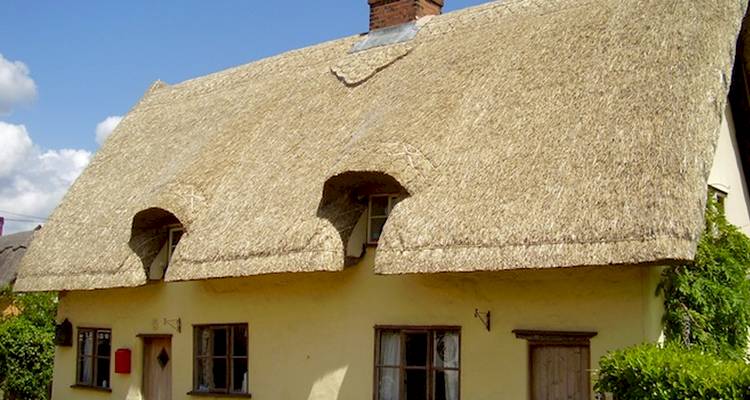
Thatched roof prices vary depending on the size of the roof, the design, and the thatching material used.
The average cost to thatch a roof in the UK is around £18,000 for a medium-to-large roof using standard or mid-range materials. Smaller properties, or those using long straw, can cost considerably less, sometimes under £12,000 for a small roof.
What is your biggest concern with installing a thatched roof?
Overall cost of installation and/or repairs
0 votes - 0%0% of votes
Potential fire hazards
0 votes - 0%0% of votes
Insurance and regulations
0 votes - 0%0% of votes
Finding an experienced professional
1 votes - 100%100% of votes

1 votes
See results
Hide results
Thatchers typically price work using a unit called a thatcher's square, equivalent to roughly 9m² (3m x 3m). Expect to pay £1,500 to £3,000 per thatcher's square, depending on the material and complexity of the job.
I have a thatched roof needing repairs in a few areas. The majority of the roof is in suitable order, but there are some areas which will need replacing. What are the costs?
"The price will very much depend on the extent of the damage to the roof. For example, if only the top layers are affected by the weather and general wearing, the cost would likely be a lot lower than if the structure beneath has been damaged. 1 square should cost between £1,100 to £1,200."
Thatched Roof Prices
Thatched roof prices depend mostly on the size of the roof and the material used. The table below gives a guide to typical costs for different roof sizes.
| Roof Size | Typical Cost |
|---|---|
| Per thatcher's square (9m²) | £1,500–£3,000 |
| Small thatched roof (60m²) | £10,000–£13,500 |
| Medium thatched roof (80m²) | £13,000–£18,000 |
| Large thatched roof (100m²) | £16,500–£22,000 |
| Large thatched roof with insulation (100m²) | £22,000–£33,500 |
Want a custom price?
Post your job
Thatched Roof Cost by Material
The thatching material you choose will significantly affect both the upfront cost and how long the roof lasts before it needs replacing. The 3 most common materials used in the UK are water reed, combed wheat reed, and long straw.
| Material | Typical Lifespan | Typical Cost (Medium Roof, 80m²) |
|---|---|---|
| Water reed | 50+ years | £18,000–£28,000 |
| Combed wheat reed | 25 to 35 years | £16,000–£24,000 |
| Long straw | 15 to 25 years | £13,000–£20,000 |
Want a custom price?
Post your job
Water reed is the most durable thatching material and the most commonly used in the UK, though it commands a higher price. Long straw is generally the most affordable option, but its shorter lifespan means you'll need to rethatch sooner. Combed wheat reed sits in the middle on both cost and longevity, and has a traditional appearance that suits many period properties.
Are materials for thatching a roof sourced in the UK? If so, who supplies them?
"Depends on the materials. All the wheat reed is grown in the UK. The majority of the water reed comes from anywhere between China to Norfolk!"
The cost of thatched roof materials has risen in recent years, driven by poor harvests in the UK and reduced availability of imported materials. Labour costs have also increased, as the number of qualified thatchers continues to decline while demand for traditional roofing has grown.
How Much Do Roof Thatchers Cost to Hire?
Roof thatching is a highly specialised trade requiring specific knowledge and hands-on experience. Because of this, labour costs make up around 50% to 60% of the total project price.
Thatchers typically charge £200 to £350 per day and usually work in teams of at least 2. For a medium-sized roof (around 80m²), expect 2 thatchers to take approximately 6 to 8 weeks to complete the job. Based on these figures, total labour costs for a medium roof could run to around £7,000 to £14,000.
The table below gives an overview of estimated total labour costs by roof size:
| Roof Size | Estimated Duration | Estimated Total Labour Cost |
|---|---|---|
| Small (60m²) | 3 to 4 weeks | £4,000–£8,500 |
| Medium (80m²) | 6 to 8 weeks | £7,000–£14,000 |
| Large (100m²) | 8 to 10 weeks | £9,000–£17,500 |
Want a custom price?
Post your job
If you're having an existing thatched roof replaced rather than installing a new one, the job will take longer as the old thatch must be removed first. This adds to overall labour costs. You may also need to budget for scaffolding hire, which is sometimes included in the quote but can be charged separately.
How Much Does It Cost to Rethatch a Roof?
One of the most common questions homeowners ask is whether rethatching costs more than a brand new installation.
In most cases, the two are comparable in price, although rethatching is often slightly more expensive due to the removal and disposal of old materials. Most homeowners spend between £12,000 and £24,000, depending on roof size, material choice, and the condition of the existing structure.
Old thatch removal is almost always included in the total rethatch price rather than charged separately, though it does add time to the job and may uncover underlying structural issues that need addressing at additional cost.
| Job Type | Typical Cost Range | Notes |
|---|---|---|
| New thatched roof installation | £12,000–£22,000 | Depends on size and material. |
| Full rethatch (replacement) | £14,000–£24,000 | Old thatch removal typically included in quote. |
Want a custom price?
Post your job
How Much Does It Cost to Replace a Thatched Roof Ridge?
The ridge is the most vulnerable part of a thatched roof and will need replacing more frequently than the main roof covering. Most homeowners can expect to replace the ridge every 10 to 15 years, even when the rest of the roof is in good condition.
Ridge replacement typically costs between £4,000 and £8,500, depending on the size of the roof, the complexity of the ridge design, and the material used. More decorative ridges, such as those with ornamental patterns or figures, will sit at the higher end of this range due to the additional skill and time required.
It's worth factoring this into your long-term budget when considering a thatched roof. Over a 30-year period, you could expect to pay for 2 ridge replacements in addition to general annual maintenance.
How Much Does It Cost to Replace a Thatched Roof With Tiles?
Some homeowners consider replacing their thatched roof with tiles to reduce long-term maintenance costs. This typically costs between £15,000 and £30,000, though larger or more complex roofs can cost significantly more.
The process involves stripping the old thatch down to the rafters, inspecting and potentially strengthening the roof structure to support the additional weight of tiles, and then installing the new roof. Structural work is almost always required as tiles are considerably heavier than thatch, and this can add to the overall cost.
Before committing to this type of project, there are 2 important considerations:
- Planning Permission — changing your roof material is likely to require planning permission. If your property is listed, you will also need listed building consent, which can be difficult to obtain as thatching is often considered a defining feature of a listed building. Check with your local planning authority before proceeding.
- Property Value and Character — removing a thatched roof can affect the historical character and value of the property, so it's worth weighing up the long-term implications before making a decision.
For more on tiling costs, see our guide to replacing roof tiles.
Is tying in a roof the same as replacing the ridge? How much roughly would it cost to do?
"Tying in isn't usually the same as replacing the ridge, it means joining new roofing work into the existing covering so it's secure and weatherproof. It needs specialist thatching knowledge, and costs vary with access and condition, but small repairs may cost a few hundred pounds while larger tying-in or ridge renewal jobs can run into several thousand."
Additional Thatched Roof Costs
On top of materials and labour, there are several additional costs to factor into your budget. Some of these will be included in your contractor's quote, but others may be charged separately, so it's worth confirming upfront.
Roof Insulation Cost
Thatch is naturally insulating, but adding a breathable insulation board beneath the thatch can improve energy efficiency further. On average, installing roof insulation boards beneath a thatched roof can add anywhere from £2,000 to £8,000+, depending on roof size and specification.
Scaffolding Cost
Most thatched roof installations require scaffolding. Some contractors include this in their quote, while others use a separate scaffolding company. The average scaffolding hire cost is up to £4,500, depending on the size of the roof and how long it's needed.
Bird and Pest Proofing Cost
Thatched roofs can be attractive nesting spots for birds and other pests, which can cause significant damage over time. Wire mesh or netting is typically fitted over the thatch to deter them. This is sometimes included in the installation cost, but if charged separately, expect to pay around £500 to £1,000 depending on roof size.
Fire Retardant Treatment Cost
Because thatch is a combustible natural material, applying a fire retardant spray is strongly recommended and may be required by your home insurer. This treatment typically costs around £300 to £800 and should be reapplied periodically as part of ongoing roof maintenance.
Decorative Ridge and Design Work Cost
More intricate ridge patterns or decorative thatch features, such as animals or ornamental shapes, require additional skill and time. These decorative elements can add £500 to £2,000 or more to the overall cost, depending on complexity.
Higher Home Insurance Premiums
If you're switching from a standard roof to a thatched one, you should expect your home insurance premiums to increase. Thatched properties are considered higher risk due to fire vulnerability, and specialist thatched roof insurance can cost significantly more than a standard policy, sometimes double or more. It's worth getting insurance quotes before committing to the project so the ongoing cost doesn't come as a surprise.
Waste Removal Cost
Many contractors include waste removal in their quote, but if not, hiring a skip costs around £220. The exact price depends on skip size and your location in the UK. If you're having an existing roof replaced, there will be more waste to dispose of, so a larger skip may be needed.
How Much Does a Thatched Roof Cost to Maintain?
Regular maintenance is the most effective way to extend the life of a thatched roof and avoid costly repairs down the line. Below is an overview of typical maintenance costs, followed by some practical tips to keep your roof in good condition.
| Maintenance Task | Typical Cost | Frequency |
|---|---|---|
| Annual inspection | £120–£250 | Yearly |
| General repairs and patching | £350–£900 | As needed |
| Fire retardant reapplication | £300–£800 | Every 3 to 5 years |
| Ridge replacement | £4,000–£8,500 | Every 10 to 15 years |
| Full rethatch | £10,000–£22,000+ | Every 20 to 50 years |
Want a custom price?
Post your job
In total, homeowners can expect to spend around £300 to £600 per year on general thatched roof maintenance, not including larger periodic costs like ridge replacement. Budgeting for these expenses in advance is worthwhile, as neglecting minor issues can lead to more significant and more expensive damage over time.
Practical maintenance tips to keep your thatched roof in good condition:
- Clean the roof regularly and remove moss and leaves with a rake.
- Cut back any overhanging trees that may touch the thatch and cause damage or trap moisture.
- Spray the roof periodically with a moss and algae treatment to prevent build-up.
- Repair any holes promptly, particularly those caused by birds or other animals.
- Monitor the condition of the ridge and flashings and have these replaced every 10 to 15 years. For more on this cost, see the cost to fix a roof leak.
Factors That Impact Thatched Roof Costs
Many things can affect the cost of installing a thatched roof. Below is a list of the things that may affect the overall cost of the job:
Type of Thatch
Several different types of thatch can be used on a roof, each with varied price points.
Some examples of thatch types include:
- Water reed
- Norfolk reed
- Devon reed
- Longstraw
- Heather
- Rye straw
Water reed is the most common type of thatching material. However, it is limited in supply, so it can be quite expensive.
Is it possible to change the material of a thatched roof when it's due for reroofing? (e.g., from straw or wheat to water reed?)
"Yes, you can change a thatched roof — but you may want to look at your rafters as they may not be strong enough to carry a lot more weight."
Roof Size and Design
The size of the roof is the biggest factor that can affect the cost of your thatched roof installation. The larger your roof is, the more you can expect to pay for your thatched roof.
Larger roofs will not only require more materials, but they will also take much longer to complete. Therefore, the labour costs will also be higher.
Location in the UK
Your location can affect how much you'll pay for a thatched roof installation. Labour costs tend to be higher in and around London than in northern England, and areas with fewer qualified thatchers may also face higher prices due to limited availability.
Roof Pitch (Angle)
The steeper a thatched roof's pitch, the faster rain runs off it, which helps the thatch dry out and last longer. Most thatched roofs are pitched between 45 and 50 degrees for this reason. A steeper roof also needs more thatching material to cover the same footprint, which can push up costs, so the pitch is often a trade-off between water runoff and budget.
Roof Complexity and Features
Chimneys, dormer windows, and valleys where two roof sections meet all add time to a thatching job, as these areas need to be shaped and finished by hand. A roof with several of these features will generally cost more than a simple, uninterrupted pitch of the same size.
Ask a Trade
Got a question that only a tradesperson can answer? We have thousands of trades ready to answer any question you may have.
Ask your question

What's Involved in Thatching a Roof?
Thatching is a highly skilled trade and isn't suitable as a DIY project. Fitting a new roof is difficult even for professionals, and a thatched roof can take over a month to complete. It's worth hiring a thatched roof specialist who's experienced with your chosen material and familiar with the relevant building regulations.
Here's a breakdown of what's typically involved:
Before the Job
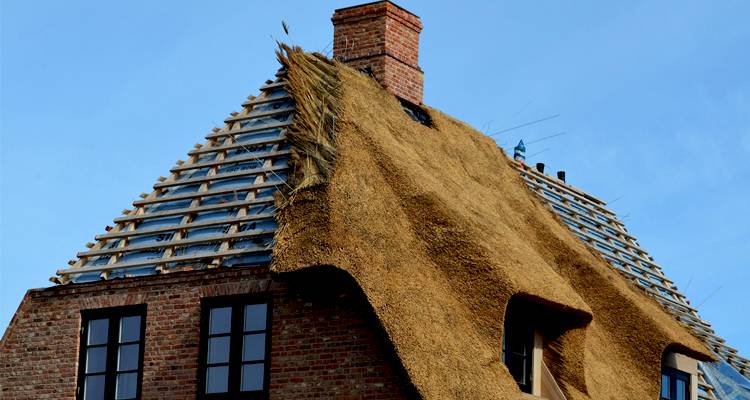
- Constructing the Roof Structure — A timber structure suitable for thatching is built, with rafters and battens strong enough to support the thatch.
- Preparing the Framework — Cross members are nailed in, running parallel to the ridge pole and spaced 24 inches apart, to create a stable fixing base.
- Sourcing Reeds — Dried reeds are sourced ready for thatching. The best reeds are harvested in winter as standing dead material, so they're fully dry before use.
During the Job
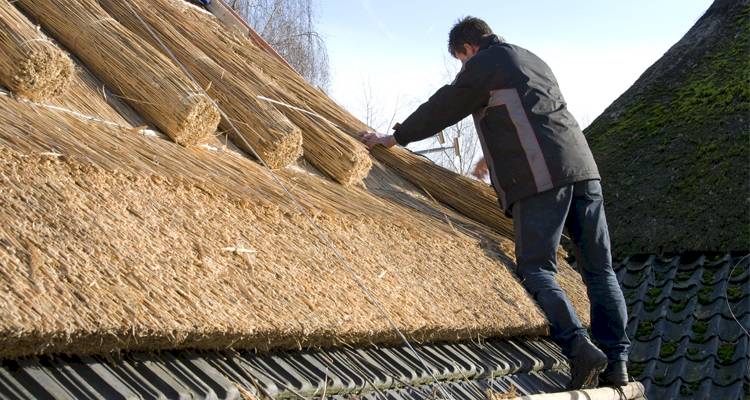
- Bundling the Reeds — Reeds are gathered into bundles around 8 inches in diameter, with the tops twisted to hold each bundle together.
- Fitting the Thatch — Starting at the bottom corner, bundles are wired to the cross members one at a time.
- Building up the Layers — This continues across the roof, with minimal space between bundles for an even, weather-resistant covering.
- Working Towards the Ridge — Each layer overlaps at least halfway down the layer below, which is essential for water runoff and durability.
After the Job
- Final Checks — The thatcher confirms everything is secure and that there's sufficient ventilation.
- Clear-up — Scaffolding comes down and waste is removed, along with tools and equipment.
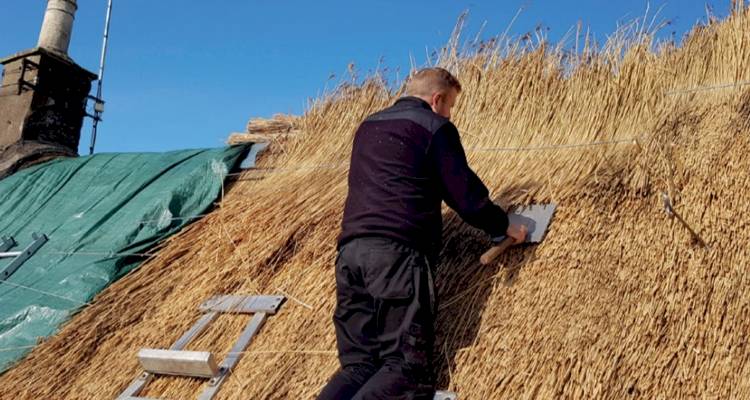
Is netting or wire mesh better to cover a thatch roof with? Or does it depend on what your thatch material is?
"Most thatched roofs are made up of completely natural materials such as straw leaves and reeds which are highly combustible so my advice would be the wire mesh or galvanised steel mesh."
Building Regulations & Planning Permission for a Thatched Roof Installation
When installing a thatched roof on your property, you may or may not need to worry about planning permission. In some cases, you will definitely need planning permission, for example, if you alter your roof's height.
Below are some of the conditions in which you may need to apply for planning permission:
- If you are planning structural changes to the roof.
- If your new roof materials will react differently in a fire to your current roofing materials.
- If your new roof will project 150 millimetres from the existing roof plane.
- If you are changing the material of your roof.
- If you are moving insulation that will need to be replaced.
- If you are installing a roof light as part of the new roof.
If you are unsure whether your new roof may require planning permission, you can find out more information on the Planning Portal website, or you may want to get in touch with your local authority for some advice.
Your new thatched roof must also adhere to building regulations. These rules are implemented to ensure the roof is safe for you and your family. When you hire a thatched roof specialist, they should have the knowledge required to ensure that all work carried out adheres to the building regulations.
Benefits of a Thatched Roof Installation
There are many benefits to choosing a thatched roof for your property. Below is a list of the advantages that come with having this type of roof:
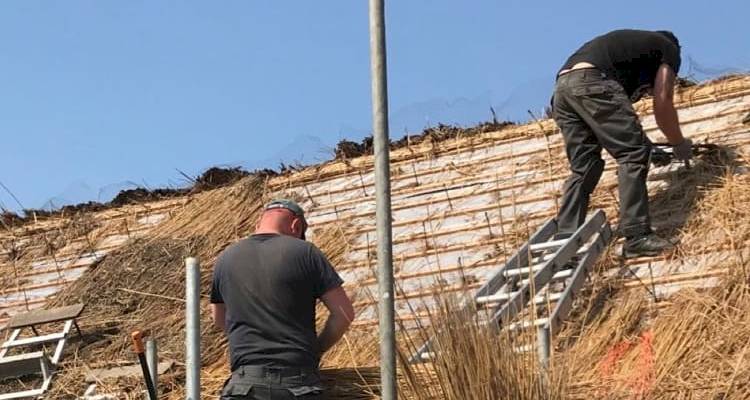
- Aesthetically Pleasing — A thatched roof is a very unique feature of a home. Fewer than 60,000 properties in the UK still have one, less than 1% of all homes, so they're a real talking point.
- Durable — Thatched roofs are very durable and can last for many years. Although your roof ridge will need to be replaced regularly, the materials are very long-lasting.
- Insulating — Thatch is naturally very insulating, so it can help to keep your house cool in the summer and warm in the winter. This can help to reduce your energy bills.
- Sustainability — The materials needed for thatching are sustainable and environmentally friendly.
- Lightweight — Thatching materials are light and won't require the heavy supports that other roof types need. This can help to lower costs.
Checklist: Hiring Roof Thatchers in the UK
Below is a list of some of the main things that you should consider when looking for tradesmen to carry out a thatched roof installation:
- Have you requested more than one quote? By using MyJobQuote you can find local roofers who specialise in thatched roofs. Request a full breakdown of costs to ensure you choose the right person for the job at the best rate.
- Is the contractor experienced in installing thatched roofs? Not all thatched roofs are the same, so it's important to confirm the contractor understands the specific style and materials you're choosing.
- Have they examples of their previous work? As well as asking for photographs or a portfolio, check their MyJobQuote profile and customer reviews from any recent customers.
- Do they have public liability insurance? This isn't a legal requirement, but most reputable tradesmen will be insured in the event of an accident or unintentional damage to your property.
- Does the contractor offer any guarantees with their work? Always confirm what guarantees are provided ahead of the work being completed, as this can give you peace of mind if issues arise after the installation.
- Do you need to hire any additional contractors? Ask whether other trades will be required for different parts of the work, or if everything is included in the contractor's service, such as scaffolding and other tasks.
- Will the contractor take care of waste removal? Check that all waste generated during the work will be removed and disposed of properly, rather than being left for you to deal with.
FAQs
Do I Need Specialist Home Insurance to Cover a Thatched Roof?
Most insurers will cover a thatched roof at a premium. Consult with an insurance broker to find you some good quotes from insurance companies that specialise in thatched roofs.
Does a Thatched Roof Need Ventilation?
The design and materials used on a traditional thatched roof are naturally breathable, allowing moisture to escape. However, you should always ensure there is adequate airflow to prevent damp issues, so periodic checks are recommended.
Do I Need to Install Gutters With My Thatched Roof?
You won't need to install any guttering with your thatched roof. The overhang from the thatch at the eaves ensures that any excess water runs off the roof and away from the property.
How Fire-Resistant Is a Thatched Roof?
Modern thatching techniques include fire retardant sprays, wire mesh coverings, and fire barriers to reduce the risk. However, it's important to discuss fire safety measures with your roofer before committing to your installation.
Can a Thatched Roof Be Insulated?
Yes, you can improve the energy efficiency of your thatched roof by adding extra insulation. Materials such as breathable insulation boards are also used to ensure the roof remains ventilated while keeping in the heat.
How Long Does a Thatched Roof Last and How Often Does It Need Replacing?
This depends on the material. Water reed lasts 50 years or more, combed wheat reed lasts 25 to 35 years, and long straw lasts 15 to 25 years.
The ridge wears out faster than the main covering and usually needs replacing every 10 to 15 years, regardless of material. A full rethatch is needed once the main covering reaches the end of its lifespan.
What Are the Downsides of a Thatched Roof?
Along with the high upfront cost, thatched roofs need more frequent maintenance than tiled roofs, carry a greater fire risk, and typically come with higher home insurance premiums. Birds and other pests can also damage the thatch if it isn't properly proofed.
Can You Put Solar Panels on a Thatched Roof?
Solar panels aren't usually fitted directly to a thatched roof, largely due to fire risk and the difficulty of securing panels to a thatch covering. Homeowners who want solar power often mount panels on a nearby outbuilding, garage, or ground-mounted frame instead.