Builders
 Carpenters
 Electricians
 Flooring Specialists
 Gardeners
 Handymen
 Heating Engineers
 Painters & Decorators
 Plasterers & Renderers
 Plumbers
 Roofers
 Tilers
 my
myHome Security Cost
At a Glance
- The average home security cost is around £500.
- Most installations take 1 to 2 days to complete.
- A breakdown of how much home security installation cost in 2026.
- How long the job takes and what's typically involved.
- How to find a local security specialist using MyJobQuote.
Get free estimates
Are you a trade? Get more work today!
Looking into what the cost of a home security system is in the UK?
Home security system prices you're quoted by tradespeople will depend on a range of factors.
This guide covers everything you need to know about CCTV and alarm installation costs in 2026. It includes typical prices for different home security equipment, average labour charges, expert advice, and much more!
Looking to get a quote now?
MyJobQuote has a Trustpilot score of 4.8 (41,000+ reviews) and is used by more than 1 million homeowners across the UK every year.
Tell us what you need and we'll connect you with home security specialists near you who can provide quotes for this job. There's no cost, no obligation, and no hassle.
Want to find out more before you start comparing prices?
Check out our full guide below!
£500
Table of Contents
- How Much Is a Home Security System?
- What Is the Cost of Home Security System Equipment?
- Additional Home Security System Costs
- How Much Does CCTV and Alarm Installation Cost?
- Factors That Impact CCTV and Alarm System Costs
- What's Involved in Installing Home Security?
- Types of Home Security
- Building Regulations and Planning Permission for Home Security Systems
- Monitoring and Police Response
- Benefits of Home Security
- Cost of Home Security System Removal
- Checklist: Hiring a Home Security System Installer
- FAQs
How Much Is a Home Security System?
The average cost for home security system installation ranges from £165 to £500, though costs vary widely depending on the type of system, the size of your property, and whether professional monitoring is included. Basic bell-only alarm systems sit at the lower end of this range, while fully monitored smart home security systems with CCTV and multiple security devices push costs higher.
Alarm and CCTV System Costs
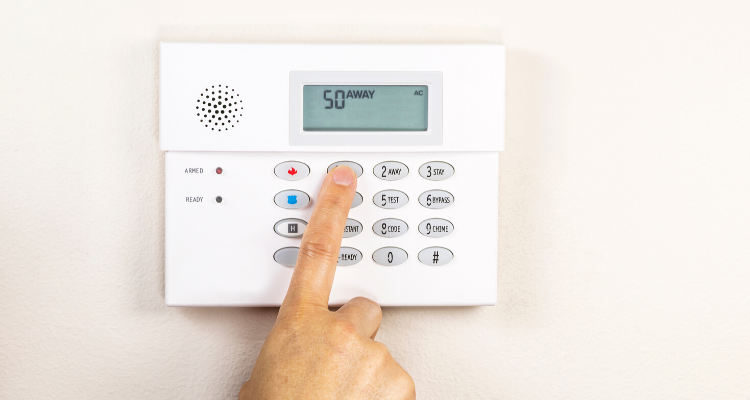
Typical burglar alarm install cost is £125 to £300 for the simplest setups. This is common for DIY-friendly systems, depending on how many sensors you choose.
Security systems and burglar alarms come in different models with different prices. Whatever you choose, use a professionally accredited installer who understands the standard and the setup.
CCTV is a popular option for security-conscious homes. On average, CCTV installation costs around £350.
The most effective setup is often a burglar alarm plus CCTV or lighting. This improves coverage but will increase the overall home security cost.
Security light installation costs around £300 on average, but the exact price you're quoted will depend on the type of unit and how many you're installing.
Home Security Prices
The below table sets out the installation prices for various security systems:
| Job Description | Average Cost |
|---|---|
| Motion Sensors | £170 – £250 |
| Door and Window Sensors | £170 – £230 |
| Panic Button | £165 – £290 |
| Wired Security Cameras | £220 – £400 |
| Wireless Security Cameras | £200 – £470 |
| Control Panel | £190 – £300 |
| Keypad | £180 – £260 |
| Siren | £190 – £280 |
Want a custom price?
Post your job
What Is the Cost of Home Security System Equipment?
The below table sets out the supply-only costs for various security systems:
| Job Description | Average Cost |
|---|---|
| Motion Sensors | £20 – £50 |
| Door and Window sensors | £20 – £30 |
| Panic Button | £15 – £90 |
| Wired Security Cameras | £70 – £200 |
| Wireless Security Cameras | £50 – £270 |
| Control Panel | £40 – £100 |
| Keypad | £30 – £60 |
| Siren | £40 – £80 |
Want a custom price?
Post your job
Additional Home Security System Costs
Beyond the core installation, there are several additional costs worth factoring into your budget. These can include one-off charges, ongoing fees, and optional upgrades depending on the system you choose.
Activation Fees
Most alarm systems require activation before they'll operate. This is a one-off charge that can be up to £100, so it's worth confirming whether it's included in your installation quote or billed separately.
Equipment and Add-ons
Buying a full set of security devices upfront can cost £200 or more. If you're on a budget, some security companies let you lease equipment monthly instead of paying everything upfront.
Once your system is installed, you can add extra motion sensors or cameras to cover blind spots. Expect to pay £100 or more for additional equipment, or around £30 for a door sensor. Check how many devices your alarm system can support before purchasing extras.
Smart home security systems add home automation features such as smart lights and smart locks. These features let you control your home remotely and create routines to simulate occupancy. Smart capabilities are an additional cost on top of your standard installation.
Can alarm systems reduce home insurance costs?
"This would depend on what system you intend to install. Grade 2 or 3, its best to speak to your insurance provider and ask what category or grade of alarm would help reduce insurance costs.
There is lots of alarms out there in the market, so its best you do your research once you have the information from the insurance provider."
There is lots of alarms out there in the market, so its best you do your research once you have the information from the insurance provider."
Magnetic Contact Sensors
The first additional cost you may want to consider if you wish to improve your home security is the magnetic contact sensor. This will cost between £16 and £19 each, and they work with both the wired systems and wireless alarm systems.
Magnetic contact sensors are placed on doors of homes and sometimes windows and other opening fixtures within your home. The primary purpose is to be highly effective in triggering any unauthorized access close to your premises.
Security Stickers
Another thing that incurs additional cost is the use of security stickers. These stickers act as a deterrent to burglars when they attempt entry.
The security stickers may be worth £3 to £5 per pack, and they're highly effective for opportunist burglars.
Key Fobs
From the security sticker, we take a look at key fobs, which can help you switch your security system off or on, as and when needed. The key fobs protect your home at any time, since they can be disabled and activated at the simple click of a button.
For a pack of ten fobs, you can expect to pay between £28 and £53. A pack of ten is great because then, everyone in your home can have their piece.
Backup Batteries
When working with automated home security, you need to invest also in a back-up battery. This ensures your system works at all times. The best back-up battery is one that offers up to 5 years of durability.
Before you purchase, you need to research to find out the best battery which complements the type of alarm system you have at home. The most common battery used in such systems is the AA or volt battery, and these usually come between £3 to £5 per pack.
Other Security Additions
Other additional costs come from external lighting, priced at £125, or electric gates that cost between £7,000 and £8,000 to help make your home security life easier.
Do home security systems need servicing?
"An annual service on a basic intruder alarm system or CCTV system is recommended. This will ensure all firmware is up to date and batteries have been replaced where necessary.
If the systems are monitored and have police response included, two annual service visits would be required.
Automated gates and access control systems vary depending on the usage."
If the systems are monitored and have police response included, two annual service visits would be required.
Automated gates and access control systems vary depending on the usage."
How Much Does CCTV and Alarm Installation Cost?
Now, let's take a look at labour costs and timescales.
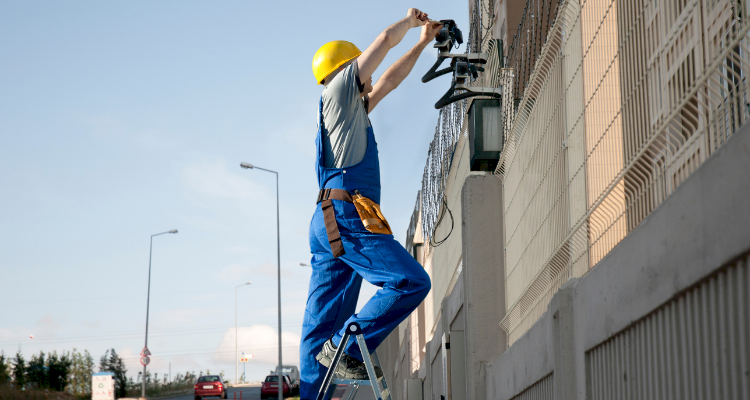
The cost of labour is a part of your installation costs for home security. Labour costs refer to how much the artisan involved in the installation process will charge you for their work. The price attached to this service varies from location to location and from one type of security system to another.
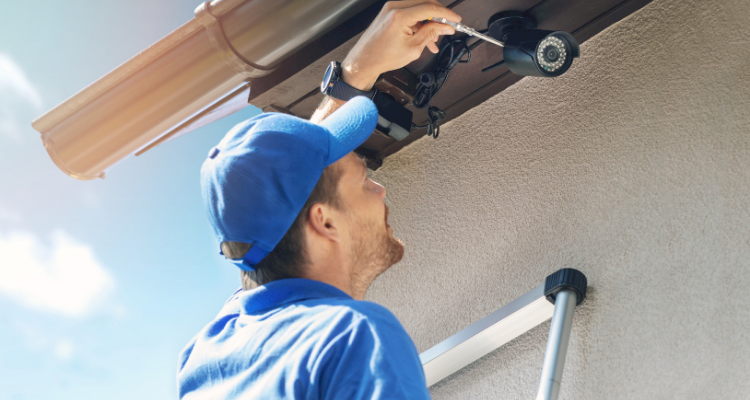
The average certified security specialist will charge you approximately between £150 and £200 per day for their services, depending on your location. The timescales attached to their installation will be dependent on the type of home security being installed in your home.
If you're installing a smart home security system, the artisan will only take an hour or two to install fully, and they'll cost up to £50 per hour.
The bells-only alarm would cost around £175 for a full day of labour, while the silent alarm system with police-calling services is priced at £300 for two days' worth of work.
Is a burglar alarm or online monitoring system better for securing a holiday home?
"I would recommend a smart intruder alarm. This will allow you to monitor the property online with an app. You can also remotely arm and disarm the system, and you can setup notifications to your phone when someone enters the building."
Ask a Trade
Got a question that only a tradesperson can answer? We have thousands of trades ready to answer any question you may have.
Ask your question

Factors That Impact CCTV and Alarm System Costs
Several factors influence the final cost of installing a home security system. Understanding these before you request quotes can help you budget more accurately.
- Location in the UK — Labour rates vary by region, with higher prices typically seen in cities and the South East. If the installer needs to travel a significant distance to reach your property, additional transport costs may apply.
- System type — The type of alarm system you choose — whether a bells-only alarm, wireless monitored system, or smart home security system — has a significant impact on both equipment and installation costs. More advanced system types cost more to supply and configure.
- Property size and layout — Larger properties need more motion sensors, door sensors, and cameras to achieve the same level of coverage. Long cable runs, outbuildings, or multiple entry points all add time and materials to the installation.
- Wired vs wireless installation — Wired systems are more labour-intensive due to the cabling involved, which increases installation costs. Wireless systems are quicker to fit and are usually the more cost-effective choice for existing homes.
- Number of security devices — Each additional sensor, camera, or alarm panel adds to the total cost. A basic two-sensor setup will cost significantly less than a multi-zone system covering every room and external access point.
- Professional monitoring — Monitored systems carry ongoing monthly costs on top of the upfront installation price. The level of monitoring — from basic app alerts through to full police response — affects the monthly fee.
- Smart home integration — Connecting your alarm system to smart home devices such as smart locks, lights, or thermostats adds functionality but also increases the overall cost. Integration with platforms like Google Home or Amazon Alexa may require compatible equipment.
- Accreditation and installer grade — NSI or SSAIB-accredited installers typically charge more than uncertified trades, but their work meets the standards required for insurance compliance and police response activation.
What's Involved in Installing Home Security?
What are the steps to fix your security system?
Here are some great steps anyone can follow:
- The first step is to install the wireless home security panel either close to a power source or near your primary entry door. You can either do this by drilling holes or using a removable double-sided adhesive on your walls.
- Next, place all the detectors and sensors throughout your home, using the manufacturers and your building inspector's guidelines.
- With all components attached, now is the time to test your security system with help from the security systems owner manual to ensure your system is doing a great job.
Can you connect a detached garage, located a few hundred metres from the house, to a home security system? If so, what type of system is required?
"The cheapest option is just to buy a stand alone system for the garage. If you simply want to make some noise to move people on.
If you want to add to an existing wireless system, then you’ll need to run some ducting and a cat5 cable to the garage, and then add a wireless access point for the wireless sensors to link up to.
If it’s a hard wired system, then you would still need to run a duct, and then LV cable from the pannel to each sensor/sounder."
If you want to add to an existing wireless system, then you’ll need to run some ducting and a cat5 cable to the garage, and then add a wireless access point for the wireless sensors to link up to.
If it’s a hard wired system, then you would still need to run a duct, and then LV cable from the pannel to each sensor/sounder."
Types of Home Security
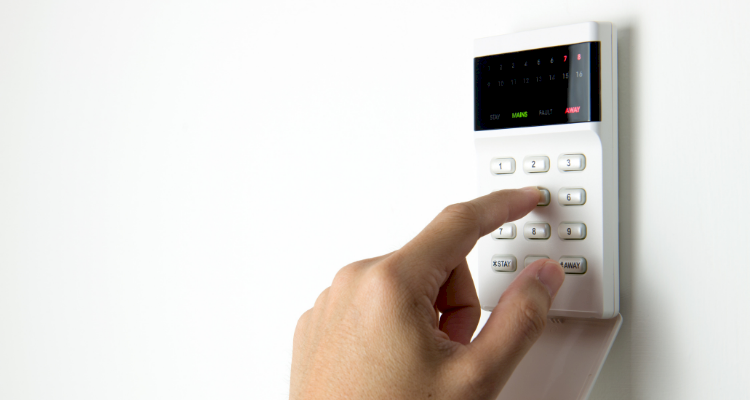
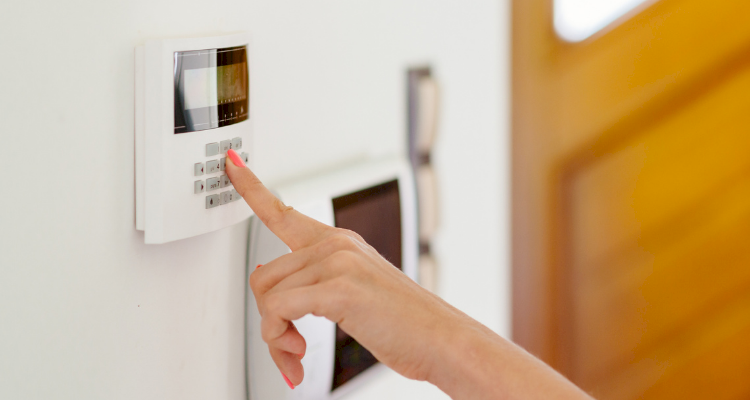
There are two major types of home security systems, the security alarm system, and the security cameras. There are varying types, including the bells-only alarm, wired alarm, silent alarms, and the wireless alarm when it comes to security alarms.
Alarm System Cost
Each alarm system has different installation methods. More so, the home security alarm cost also varies. Installing the bells-only alarm costs between £125 and £300 to install, the wired alarm £400 to £800, the silent alarm being £200 to £300, and the wireless alarm costs between £200 and £600.
Pros
- ✔ Alarm systems are very quick and easy to install.
- ✔ Little to no labour costs being required.
- ✔ Depending on the type, regular maintenance isn't required.
- ✔ There is no replacement cost.
Cons
- ✖ The alarm system must be installed by a professional once it requires hardwiring.
- ✖ The bells-only model is vulnerable and doesn't alert the police.
- ✖ Sensor batteries of your wireless alarm need to be replaced regularly.
CCTV System Cost
Next is the CCTV system. This type of system cost varies and also comes with varying types.
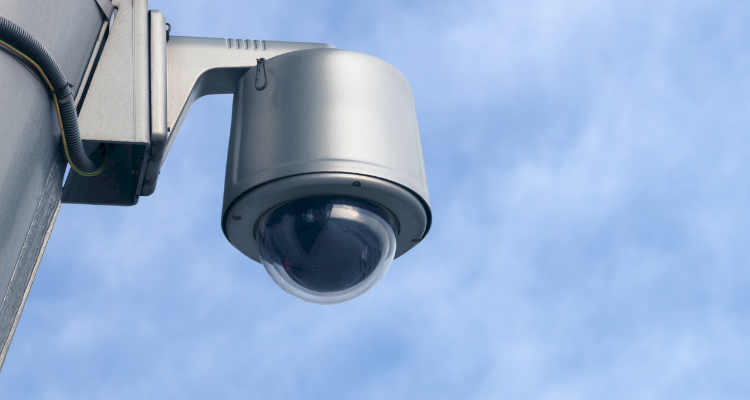
The closed-circuit television, also known as CCTV, is a system that works independently of the internet. Instead, all videos are recorded with the home security cameras and stored in a location for future use.
CCTV cameras are commonly found in large homes and business areas since they help cover larger areas. The cost of home security CCTV is between £120 to £350 per camera, and they're known to be very effective.
Pros
- ✔ Offers a wide field view.
- ✔ Very easy to access in stores.
- ✔ Durable and easily visible around your home.
Cons
- ✖ CCTV systems require multiple cameras, and as such, they might be extra expensive to invest in.
- ✖ Using these cameras in isolation doesn't guarantee total protection of your home.
Building Regulations and Planning Permission for Home Security Systems
The installation of a security alarm usually doesn't require any planning permission, unless you reside in a listed building or conservation area. You must check with your local planning authority in such places before installing any new equipment.
Do I need a permit to install a home security system? Are there cases where this might be required or unnecessary?"
"If you are a homeowner and the view of the camera is on your own property, you do not need a permit. You should display signs clearly showing that you have CCTV."
In another light, if your system involves any electrical work, its installation will have to comply with the relevant standards in all approved documents.
One pressing regulation about electrical works for home security is that all installers who aren't registered as competent may employ any registered third-party certifier, who will act as an alternative to building control bodies.
The full details on the competency of labour for home security installation can be found online and in the office of all local authorities where local authority building control teams can be found. These applications can be found and filled online.
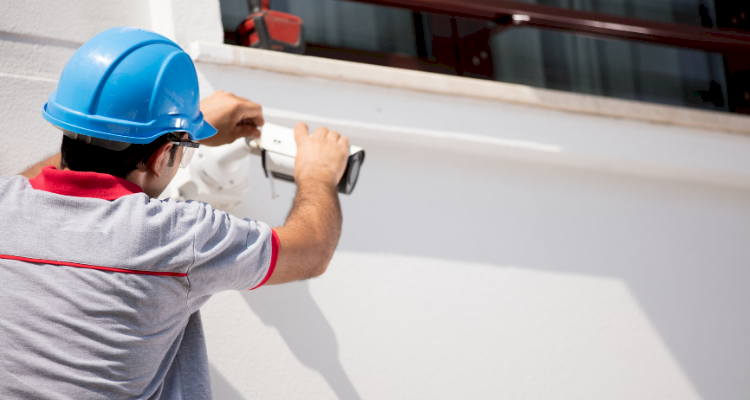
To gain local authorities' approval to install your home security electrical, some guidelines must be followed.
- The first step is to invest in a building control surveyor. Such a person can be found in not-for-profit services offered by your local council. The building control surveyor, also known as a building inspector, is an impartial building professional with in-depth information on the issues and expertise on your area's Building regulations.
- The next thing to do is submit your building regulation application, including any drawings and specifications where necessary. Another way to apply to your local building authority is via a building notice when all building regulations have been met on site. The risk involved with the building notice is that work carried out may need upgrading or later along the line.
- Start the work, but be ready for regular inspections from the building control surveyor, who is there to offer guidance and advice at the various stages of work until work completion.
The price attached to building regulations approval is dependent on whether or not you liaise with your local council or not. Once you find a building inspector, they will give you more information on the costs involved and how payment can be made. Waiting for planning permission doesn't take a lot of time.
Monitoring and Police Response
Monitoring
A monitored setup sends alerts from your alarm or CCTV to an Alarm Receiving Centre where trained operators review events and contact you or your keyholders if needed. This is a rolling service that sits alongside your upfront home security cost. It suits homes that are empty for long periods or where you prefer a human to check before you act.
Typical monthly monitoring costs:
- Basic app monitoring — £0 to £5 per month
- Professional monitoring (ARC) — £15 to £25 per month
- Police response monitoring — £25 to £40 per month (requires Grade 2 system)
- Full package with maintenance — £35 to £55 per month
Monitoring essentials:
- 24/7 event review with escalation to you or keyholders.
- Clear scope of service to confirm what is included in the monthly fee and what is extra.
- Check the term length in your contract and how to switch providers.
- Keep your keyholder list up to date and test it after any changes.
Police Response
If you want police attendance, your system should meet certain UK standards. In practice that means a Grade 2 installation fitted and maintained by an NSI or SSAIB accredited company and connected to monitoring.
Your installer applies for a unique reference number (URN) with the local force so verified burglar alarms can be dispatched correctly. Repeated false alarms can lead to a downgrade, so proper sensor placement and regular testing are important.
Police response monitoring typically costs between £25 and £40 per month, on top of the upfront installation cost. This requires a Grade 2 system as a minimum. A full package including maintenance is usually priced between £35 and £55 per month. These ongoing costs should be factored into your budget alongside the initial alarm installation cost.
System Grades Required:
| Grade | What It Means | Who Needs It |
|---|---|---|
| Grade 1 | Basic DIY system, no professional monitoring | Low-risk properties, minimal valuables |
| Grade 2 | Professional system with monitoring | Most UK homes wanting police response |
| Grade 3+ | Advanced commercial-grade system | High-value homes, businesses |
Want a custom price?
Post your job
Benefits of Home Security
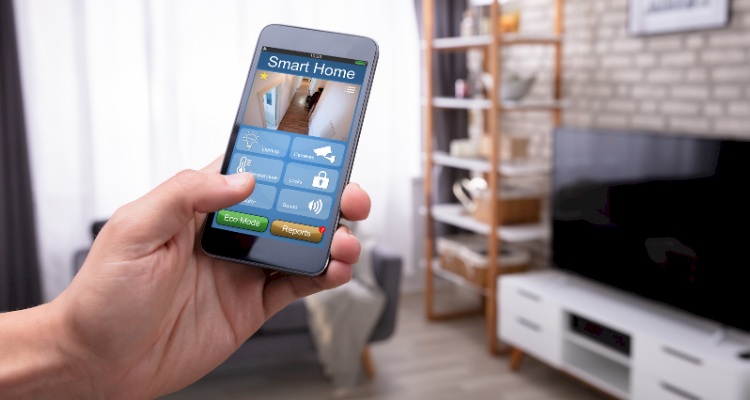
- Remote access — Modern security systems let you monitor your home from anywhere through a smartphone app, whether through live camera feeds, sensor alerts, or remote arm and disarm controls.
- Protects valuables — Burglar alarms act as an effective deterrent and, with a monitored setup, can notify the police during a break-in — helping to protect your belongings and your home.
- Peace of mind — Knowing your home is protected allows you to go about your day with greater confidence, whether you're at work, on holiday, or simply asleep.
- Alerts for other hazards — Many modern security systems also detect carbon monoxide and smoke, notifying you and, in some cases, the relevant authorities if a hazard is detected while you're away.
- Potential insurance savings — Installing a professionally certified alarm system can reduce your home insurance premium by up to 20%. The exact discount depends on your insurer and the grade of system installed.
How can I improve home security after two burglaries, and will it lower my insurance?
"I’m sorry to hear you’ve been burgled twice, do you have any home security? As if you don’t this may make you an easy target.
My advice would be to reach out to a local security expert (someone that specialises in security and is accredited) and look at getting an intruder alarm and cctv installed.
Bear in mind the systems that are compatible with insurance companies are professional grade systems and be prepared to spend a few thousand for the system.
These are designed to be preventative and stop intruders in the first place so it’s not something to cheap out on."
My advice would be to reach out to a local security expert (someone that specialises in security and is accredited) and look at getting an intruder alarm and cctv installed.
Bear in mind the systems that are compatible with insurance companies are professional grade systems and be prepared to spend a few thousand for the system.
These are designed to be preventative and stop intruders in the first place so it’s not something to cheap out on."
Cost of Home Security System Removal
Sometimes, you may need to remove your security system to replace or upgrade it. If you hire a contractor to do this, expect to pay around £75 to £150 for a straightforward removal, depending on the complexity of the system and the number of components involved. Wired systems typically cost more to remove than wireless ones due to the cabling work required.
The process of removing a security system is straightforward and can be done without causing damage to your home wiring system.
If you'd prefer to do this yourself, follow these steps:
- Contact the alarm company before you start disconnecting parts.
- Disconnect any sirens attached to your home alarm system.
- Pull the control panel of your system down, and cap off the wiring if you won't install any other panel.
- Take out all the old battery packs if you're not upgrading your existing security system.
- If your home security comes with other installation components, you can now take time to remove them. Some of these other components include cameras, sensors, and motion detectors.
Is it possible to take a burglar or home security system with you when you move house?
"Yes, it is possible. I would recommend hiring a specialist to dismantle and reassemble the system at your new location, ensuring it is tested both before removal and after reinstallation to identify any faults beforehand.
If it’s a wired system, the installation may become more expensive as new cables will need to be run.
Alternatively, you could consider installing a wireless system. This will cost roughly the same as moving and rewiring your existing system but provides the advantage of having a new, adaptable system tailored to your new location."
If it’s a wired system, the installation may become more expensive as new cables will need to be run.
Alternatively, you could consider installing a wireless system. This will cost roughly the same as moving and rewiring your existing system but provides the advantage of having a new, adaptable system tailored to your new location."
Checklist: Hiring a Home Security System Installer
When searching for the ideal contractor to install your security system, the following checklist will help make your search easier.
- Are they NSI or SSAIB accredited? Installers who are members of The National Security Inspectorate (NSI) or the Security Systems and Alarms Inspection Board (SSAIB) are vetted to a recognised standard. If you want a police response, your system must be fitted by an NSI or SSAIB accredited security company.
- Do they have relevant electrical registration? If your installation involves mains wiring, choose a NICEIC or NAPIT registered electrician.
- Are they insured? Public liability insurance provides protection in case something goes wrong during the installation.
- Will they provide an itemised quote? Ask for a breakdown of costs so that you know what is included and if there are any additional fees.
- Do they have home security experience? Find out how long they have been carrying out professional installations and whether they are familiar with your type of system.
- Do they have examples of similar installations? Check their MyJobQuote profile for photos of completed projects.
- Do they have positive reviews? Check the feedback they've received from other homeowners on MyJobQuote who've hired them.
FAQs
Do I Need a Monitored Alarm System?
A monitored alarm system is a service that adds a layer of protection to your security system. These services are now wireless, and they come with features such as heating, remote lighting, and even door lock controls. They offer you all-round monitoring for 24 hours a day, giving you notifications any time there's any disturbance.
Are Wireless Alarm Systems Reliable?
Wireless alarm systems are more reliable today than they used to be. In the past, wireless models were known for their false alarms, which could be extremely frustrating. With the evolution of new technology, these wireless systems greatly improved, making them one of the world's most reliable installations.
Can I Install a Home Alarm System in a Rented Home?
Nothing prevents you from having home security in a rented home. For example, wireless alarm systems use radio transmissions; thus, there's no need to lay cables. Even in a rented home, you can have your security solution installed and take the system with you whenever you move.
How Much Does Burglar Alarm Servicing Cost?
If you want to keep your burglar alarm in good working order, most alarm installers offer a maintenance plan for around £5 to £15 per month. This typically includes an annual service, sensor checks, and priority call-outs if something goes wrong. If you would prefer not to commit to a monthly plan, you can book a one-off service visit instead, which will usually cost around £150 to £200.
Can Pets Set Off a Burglar Alarm?
Most modern burglar alarm systems are fitted with pet-immune sensors that are designed to ignore animals weighing up to around 35 to 40kg. If you have a larger or particularly active pet, let your alarm installer know so they can fit the right type of sensors for your property. Smart alarm systems with built-in cameras allow you to check whether an activation was caused by your pet or something more serious.
How Long Does a Burglar Alarm Sound For?
In the UK, most burglar alarm systems are designed to stop sounding automatically after around 20 minutes, in line with the Noise and Statutory Nuisance Act 1993, which gives local councils the power to act if an alarm runs longer than this and causes a disturbance to neighbours.
Where Can I Point My CCTV Cameras?
Your cameras should be aimed at your own property and should not point directly at a neighbour's home, garden, or any public areas. If another property or a public space appears at the edge of the shot, this may still be lawful, but is not recommended. Any footage captured beyond your property boundaries can fall under GDPR, meaning you would need to store it securely and share it if requested.
Can I Control My Home Alarm System From My Phone?
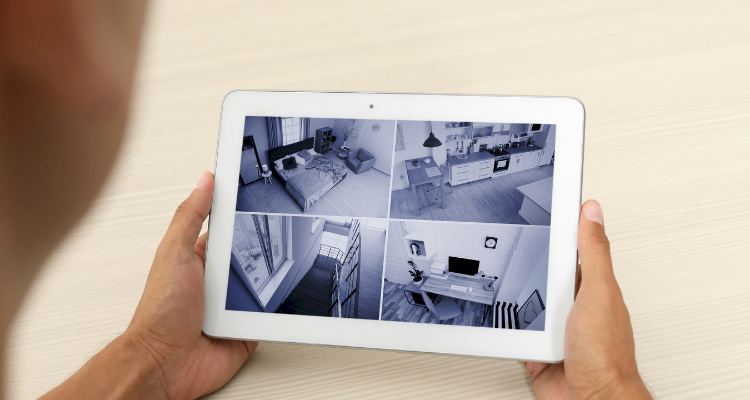
Most smart alarm systems connect to an app on your phone, which allows you to arm and disarm the alarm remotely, receive alerts when a sensor is triggered, and check live camera feeds from wherever you are.
A smart home security system will likely also integrate with platforms such as Alexa and Google Home, so that you can link your alarm with other smart home devices such as lights, locks, and doorbells.
A smart home security system will likely also integrate with platforms such as Alexa and Google Home, so that you can link your alarm with other smart home devices such as lights, locks, and doorbells.
What Is the Difference Between a Bells-Only Alarm and a Monitored Alarm System?
A bells-only alarm sounds a loud siren to alert neighbours and deter burglars, but does not contact anyone directly and has no ongoing monitoring costs. A monitored system sends an alert to a professional monitoring service where trained operators can contact you, your keyholders, or the police on your behalf, with monthly monitoring costs.
What Should I Do if My Home Alarm Goes Off During a Break-In?
Do not confront a burglar. Leave your property if it is safe, or stay in a locked room and call 999. If you have a monitored system, your professional monitoring provider will be automatically alerted and can dispatch the police on your behalf. With a bells-only alarm, you will need to contact them yourself.
Can I Install a Home Security System Myself?
Most wireless and smart alarm systems are designed for DIY installation and don't require specialist knowledge for a basic setup. However, monitored systems, anything involving mains wiring, and police-response systems must be fitted by a qualified or accredited professional. For larger homes or systems that need to meet insurance requirements, professional installation is recommended.